
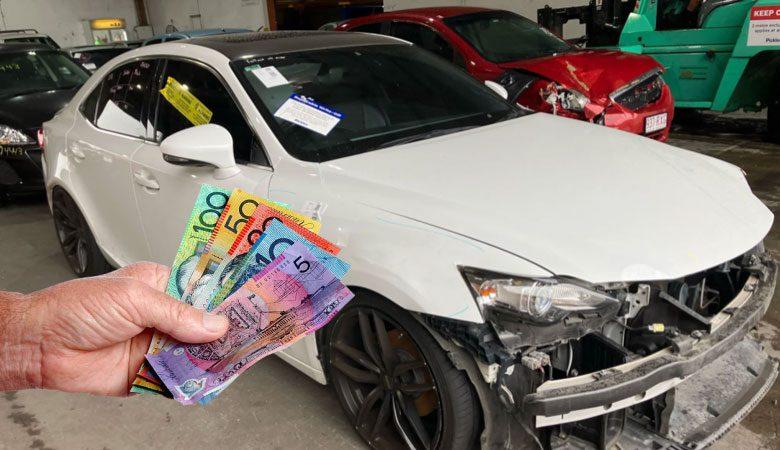
Many cars reach a point where they can no longer stay on the road. Some are damaged in accidents. Some fail mechanical checks. Others become too costly to repair. When this happens, the vehicle does not simply disappear. It often ends up in a scrap yard.
A scrap yard is a place where old and damaged vehicles are taken apart, sorted, and recycled. These sites play a key role in reducing waste and saving natural resources. In Australia, thousands of vehicles are removed from the road each year. Instead of letting them rust away in backyards or landfills, scrap yards give them a second purpose.
This article looks inside a scrap yard and explains what really happens to old cars.
Why Cars End Up in Scrap Yards
Cars are built to last many years, but they do not last forever. The average age of vehicles on Australian roads is over 10 years. As cars age, parts wear out. Engines fail. Gearboxes break. Rust spreads through metal panels.
There are common reasons why cars are sent to scrap yards:
-
Severe accident damage
-
Engine or transmission failure
-
Flood or fire damage
-
High repair costs
-
Failed roadworthy inspections
-
Old age and heavy wear
When repair costs are higher than the car’s market worth, many owners choose to sell the vehicle for scrap. This choice prevents further spending and clears space at home.
What Happens When a Car Arrives
When a vehicle enters a scrap yard, it does not go straight into a crusher. There is a clear process.
1. Inspection and Documentation
Staff record the vehicle details. They check the make, model, and year. This helps identify reusable parts. Ownership papers are verified to make sure the vehicle is not stolen.
2. Removal of Fluids
Cars contain several fluids that can harm the environment if released. These include:
-
Engine oil
-
Coolant
-
Brake fluid
-
Transmission fluid
-
Fuel
-
Air conditioning gas
All fluids are drained carefully. Used oil can be cleaned and reused in other industries. Coolant and fuel are also treated and recycled where possible.
This step protects soil and water from pollution.
3. Removal of Hazardous Parts
Some car parts need special handling. Batteries contain lead and acid. Airbags contain small explosive charges. Tyres are bulky and must be processed separately.
These items are removed before further dismantling begins.
Dismantling and Salvaging Parts
After the car is made safe, workers begin dismantling it. Many parts still work even if the car no longer drives.
Common reusable parts include:
-
Engines
-
Gearboxes
-
Alternators
-
Starter motors
-
Radiators
-
Doors and panels
-
Seats
-
Mirrors
-
Headlights
These parts are cleaned and tested. They are then sold as used spare parts. This helps other car owners repair their vehicles at lower cost.
Reusing parts also reduces the need to produce new ones. Manufacturing new car parts requires steel, aluminium, plastic, and energy. Reusing old parts reduces demand for raw materials.
Crushing and Shredding
Once useful parts are removed, the remaining car body is crushed. A large hydraulic press flattens the shell into a compact shape. This makes transport easier.
The crushed metal is then sent to a metal shredder. The shredder breaks the car into small pieces. Powerful magnets separate steel from other materials. Aluminium is separated using different methods.
Steel from old cars is melted and reused in new products. In fact, steel can be recycled many times without losing strength. This makes it one of the most recycled materials in the world.
Recycling steel saves energy. Producing steel from recycled metal uses much less energy than producing it from raw iron ore.
Environmental Impact of Scrap Yards
Scrap yards help reduce waste. Cars are made of about 75 percent steel and iron. Most of this metal can be recovered and reused.
Recycling vehicles reduces the need for mining. Mining iron ore and bauxite can disturb land and wildlife. By reusing metal from old cars, scrap yards reduce pressure on natural resources.
There is also less waste in landfill. A car left to decay can leak harmful fluids into the ground. Proper dismantling prevents soil and water contamination.
In Australia, environmental rules guide how scrap yards handle fluids and waste. Sites must meet safety standards to operate.
Economic Role of Scrap Yards
Scrap yards support local economies. They create jobs in:
-
Towing and transport
-
Dismantling
-
Metal processing
-
Parts sales
-
Recycling operations
They also supply affordable used parts to mechanics and car owners. This keeps older vehicles running longer and reduces overall waste.
Metal recovered from scrap yards supports manufacturing industries. Recycled steel is used in construction, appliances, and even new vehicles.
The Link Between Car Removal and Recycling
Before a vehicle reaches a scrap yard, it often needs to be collected. Many owners do not drive their old cars to recycling sites. The vehicle may not start or may not be safe for the road.
This is where Car Removal Brisbane services play a key role. These services collect unwanted vehicles and transport them to scrap yards. Without collection services, many cars would sit unused on private property.
Vehicle removal services help maintain clean streets and reduce abandoned cars. Abandoned vehicles can leak fluids and attract pests. Removing them protects both public spaces and private homes.
A Practical Option for Vehicle Owners
When a car reaches the end of its life, owners face a choice. Leaving it parked can lead to council notices or fines. Selling it privately can be difficult if the vehicle is damaged or not running.
This is where services such as Cash for Cars Brisbane fit naturally into the process. By purchasing unwanted vehicles and arranging collection, they connect car owners with recycling yards. The vehicle is then dismantled, recycled, and reused through the system described above. This approach supports responsible disposal and keeps unused cars out of the environment while giving owners a practical way to clear space.
Safety Measures Inside Scrap Yards
Scrap yards are industrial sites. Safety is important.
Workers wear protective gear such as:
-
Gloves
-
Steel cap boots
-
Safety glasses
-
High visibility clothing
Heavy machinery is used to lift and crush vehicles. Staff are trained to operate equipment safely. Fire safety systems are also in place because fuel and oil are present during early processing stages.
Environmental controls prevent spills. Drainage systems and sealed surfaces reduce contamination risks.
Materials Recovered from Old Cars
Cars are made from many materials. Scrap yards recover more than just steel.
Common materials include:
-
Steel and iron
-
Aluminium
-
Copper wiring
-
Plastic
-
Glass
-
Rubber
Copper from wiring is valuable. Aluminium from engine parts and wheels is also widely recycled. Glass from windows can be processed and reused in other products.
Tyres are often recycled into road base material, playground surfaces, or fuel for certain industrial uses.
The Future of Car Recycling
Modern vehicles include more electronics than older models. Hybrid and electric cars contain lithium batteries. These batteries require special handling.
As electric vehicles become more common in Australia, scrap yards are adapting. Battery recycling is becoming a growing industry. Lithium, cobalt, and nickel can be recovered and reused.
The goal is to increase the percentage of each car that can be recycled. Current recycling rates for vehicles in developed countries are high, often above 80 percent by weight.
Improved sorting systems and better recycling technology may increase this number in the future.
A Second Purpose for Every Vehicle
An old car may look like waste, but it still holds useful materials. Steel can become part of a new building. Aluminium can return as a new engine part. A working alternator can help another car stay on the road.
Scrap yards form an important link in the recycling chain. They reduce landfill waste. They cut down the need for mining. They support local jobs and supply used parts to the community.
When a car reaches the end of its road life, its journey does not end. Inside a scrap yard, it begins a new one.

 English
 Arabic
 French
 Spanish
 Portuguese
 Deutsch
 Turkish
 Dutch
Dutch
 Italiano
 Romaian
 Portuguese (Brazil)
 Greek
Greek