
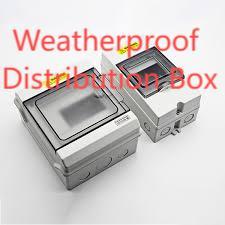
In many temporary power plans, site engineers deliberately place a Portable Distribution Box in the middle of single-line diagrams to centralize branch protection and simplify phasing, and event coordinators frequently specify a Portable Distribution Box during setup because it reduces assembly time and improves personnel safety. This opening explains why portable distribution solutions are more than boxes — they are project enablers that combine electrical protection, user ergonomics, and logistics thinking. Below we examine key selection factors, deployment strategies, safety checks, interoperable accessories, and lifecycle practices that ensure these units perform reliably across varied jobsites.
Fit for Purpose: Matching Capacity to Demand
The first decision when choosing a unit is capacity. Consider continuous amperage, short-circuit withstand ratings, and the number and types of outlets required. A portable unit should provide clear labeling for each circuit and adequate space for cable terminations without excessive crowding. Think about future expansions: choosing a panel with a slightly higher rating or modular space can prevent an expensive replacement when loads increase. Avoid oversizing to the point of unnecessary weight — balance portability with electrical needs.
Environmental Considerations and Ruggedness
Temporary power often faces mud, rain, dust, and mechanical stress. Look for enclosures with appropriate ingress protection and impact resistance. For outdoor events, UV-stable materials and corrosion-resistant hardware extend service life. Ventilation or thermal management matters when breakers and transformers produce heat; passive vents or internal baffles can help. If the unit will be moved frequently, reinforced corners, impact-absorbing feet, and recessed handles reduce accidental damage and lower repair frequency.
Installation Practices That Reduce Risk
Proper installation reduces both downtime and safety incidents. Use correct cable glands and strain reliefs sized for each conductor to protect against pulling and abrasion. Maintain bend radii within manufacturer recommendations and secure incoming feeds with robust clamping. Clearly mark the upstream source and ensure protective devices coordinate with site distribution — avoid nuisance tripping by verifying curve characteristics and settings. When multiple portable units are linked, establish a single point of isolation to simplify lockout-tagout procedures.
Integration with Schneider Electric and Other Systems
Interoperability eases procurement and future upgrades. Many portable panels accept modular plates and pre-wired meter kits from major suppliers, shortening assembly time. Confirm mechanical cutouts and mounting patterns before buying accessories: mismatch often leads to field modification. If integrating smart metering or remote monitoring, choose panels with enough internal space and wiring channels for sensors and conduit. Coordination with established control or automation vendors helps ensure a smooth handoff from installation to operations.
Safety Features That Matter Most
Ground-fault protection, clear circuit identification, and secure covers are essential. Consider integrated RCD/GFCI devices where personnel protection is required, and provide labeled neutral and earth terminals for quick testing. Lockable covers and tamper-resistant connectors reduce unauthorized access. Build in test points and isolated grounding options when the site uses different earthing schemes. Regularly train crews on emergency shutdown procedures and ensure the portable unit is part of the site’s overall emergency plan.
Maintenance Routines and Spare Parts Strategy
Portable assets need a schedule. Inspect fasteners, seals, and cable entries after heavy use; replace visibly damaged components immediately. Maintain a compact spare-parts kit with common items — glands, handles, fuses, and gaskets — to speed repairs. Keep simple diagnostic tools on hand for field troubleshooting, and log repairs to identify repeat failure modes that might indicate a design change. A proactive spare strategy reduces mean time to repair and extends the unit’s useful life.
Logistics, Storage, and Transportation
How a unit is stored between jobs affects longevity. Store panels in dry, ventilated spaces, off the floor, and away from direct sunlight where possible. Use padded crates or custom racks for transport, and train handlers on correct lifting techniques to prevent internal cable strain. Label each unit with capacity and inspection dates so crews can pick the correct item for a given assignment quickly, reducing setup time and mistakes.
Temporary power distribution is a small but critical part of many projects — when selected and managed well, a portable distribution unit dramatically reduces setup complexity and improves safety margins. Thoughtful choices about capacity, environment, interoperability, and maintenance pay dividends across the asset’s lifecycle. For corporate information and product resources, visit https://www.nante.com

 English
 Arabic
 Spanish
 Portuguese
 Deutsch
 Turkish
 Dutch
Dutch
 Italiano
 Russian
 Romaian
 Portuguese (Brazil)
 Greek
Greek