

Infrared Sauna: Deep Heat Therapy for Relaxation, Recovery and Whole-Body Wellness
Heat has always been part of healing.
Long before supplements, before wearables, before biohacking became dinner-table talk, people sat in warmth and let their bodies soften. Steam rooms, sweat lodges, hammams — different cultures, same instinct.
An infrared sauna feels like a modern echo of that ancient ritual.
But it doesn’t blast you with heavy steam. It doesn’t choke the air. It works quietly. The heat settles into your muscles instead of wrapping around your face. It’s subtle at first. Then it isn’t.
If you’ve ever stepped into one, you know the moment I’m talking about — that shift when your shoulders drop without permission.
Let’s unpack what makes infrared sauna sessions so different, and why more people are turning to them not just as a luxury, but as a steady part of their routine.
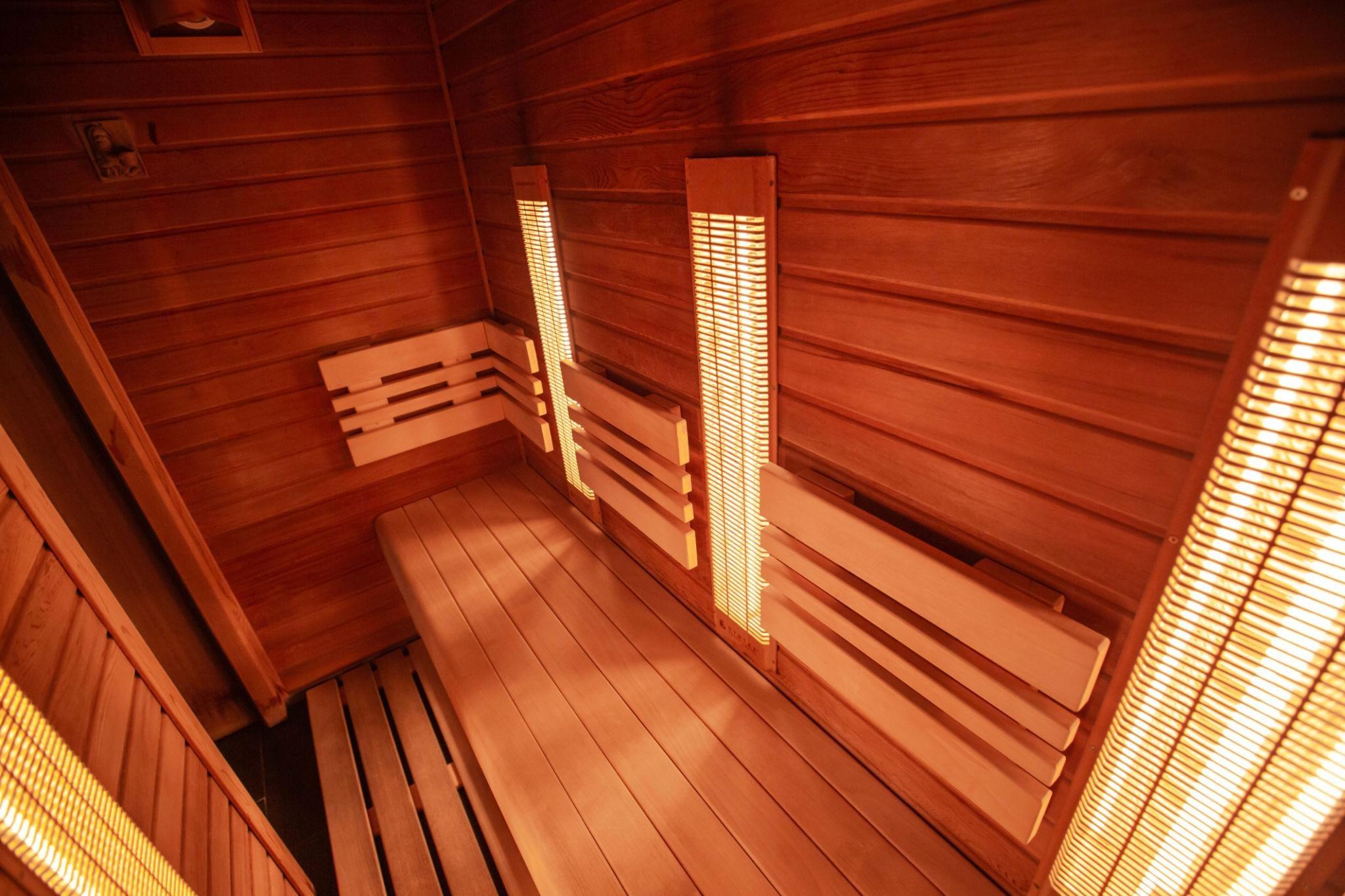
What Is an Infrared Sauna, Really?
A traditional sauna heats the air.
An infrared sauna heats you.
That distinction sounds small, but it changes the experience entirely.
Infrared panels emit light waves that penetrate the skin more directly. The temperature inside the cabin is usually lower than a conventional sauna, yet many people report sweating just as much — sometimes more. It feels less suffocating, more tolerable. You can sit longer. You breathe easier.
It’s a gentler approach to something powerful.
Instead of intense, overwhelming heat, you get a steady warmth that sinks in gradually. Muscles loosen. Circulation picks up. Skin flushes lightly. Your heart rate rises in a calm, controlled way.
It doesn’t feel aggressive.
It feels deliberate.
The First Session: What Most People Notice
The first time someone tries an infrared sauna, they often expect drama. They expect to walk out drenched in seconds or struggling to breathe.
That’s not how it usually goes.
At first, it feels almost mild. Comfortable. Like sitting near sunlight filtering through glass. Then ten minutes pass. Fifteen. Sweat begins to bead along the forehead, down the back. The warmth deepens. Muscles that carried tension all day begin to ease.
There’s a quiet moment — somewhere in the middle — when your mind slows down. It doesn’t happen because someone told you to meditate. It happens because your body stops bracing.
And that’s the hook.
Infrared Sauna Benefits: Beyond the Surface
There’s a reason infrared sauna therapy keeps appearing in conversations about recovery, wellness, and stress management.
Some of the most talked-about benefits include:
1. Muscle Recovery and Reduced Tension
Heat increases blood flow. More circulation means more oxygen and nutrients delivered to tired muscles. People who train regularly often use infrared sauna sessions to reduce soreness and stiffness.
But you don’t have to be an athlete to appreciate it.
If you sit at a desk all day, carry stress in your neck, or wake up with tight hips, that deep warmth can feel like an internal stretch.
It’s not magic.
It’s physiology meeting patience.
2. Relaxation That Feels Physical
Stress isn’t only mental. It’s stored in posture, in shallow breathing, in clenched jaws.
An infrared sauna session encourages parasympathetic activation — the body’s “rest” mode. Your breathing slows naturally. Your heartbeat steadies after the initial rise. The outside world softens.
Many people step out not just sweaty, but lighter.
And that’s hard to fake.
3. Sweating and Skin Health
Sweat gets romanticized sometimes, but it does serve a purpose. It helps regulate temperature and supports detoxification processes through the skin.
Infrared sauna sessions often produce a deeper, sustained sweat. Some users report clearer skin or a smoother texture over time. That could be related to improved circulation and the flushing effect of consistent sweating.
It’s not an overnight transformation.
It’s gradual. Like most good things.
4. Cardiovascular Support
Sitting in an infrared sauna raises your heart rate in a way that can mimic light cardiovascular exercise. For some people, especially those easing back into fitness or seeking low-impact options, this offers an additional layer of benefit.
It’s not a replacement for movement.
But it complements it.
Infrared Sauna vs Traditional Sauna
This comparison comes up often.
Traditional saunas rely on high air temperatures — sometimes exceeding 80–90°C. The heat surrounds you, heavy and thick. It’s intense. Some people love that intensity.
Infrared saunas operate at lower temperatures, often between 40–60°C. The heat feels more direct and less overwhelming.
Here’s how people usually describe the difference:
-
Traditional sauna: powerful, steamy, immediate.
-
Infrared sauna: deep, steady, penetrating.
If you’ve struggled with conventional sauna heat in the past, infrared often feels more manageable.
The Ritual of It All
Something interesting happens when infrared sauna use becomes routine.
It turns into a ritual.
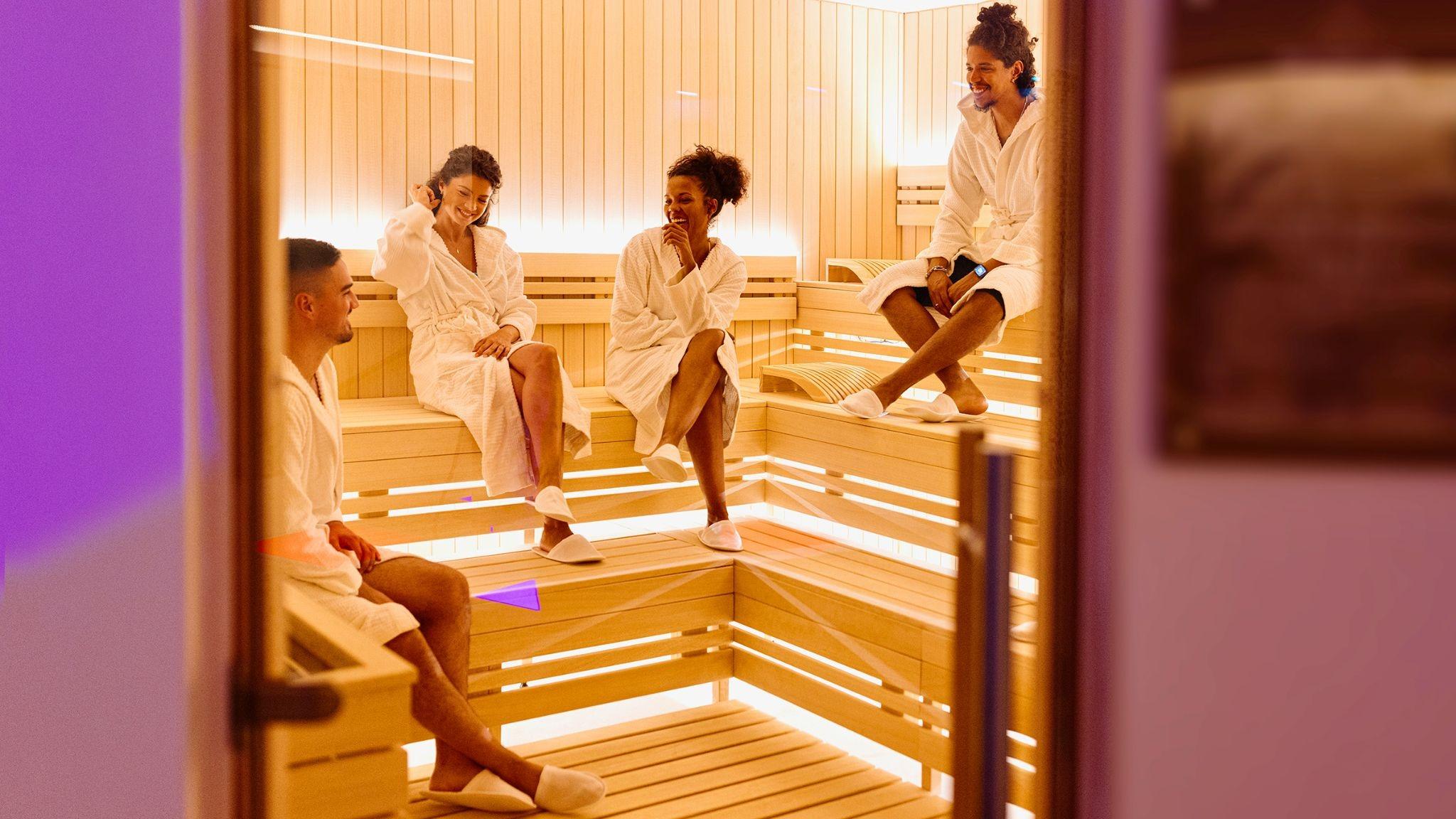
You carve out 20–40 minutes. You hydrate beforehand. Maybe you bring a towel, a book, quiet music. The world stays outside for a while.
There’s something grounding about being enclosed in warm wood, lit softly by the glow of infrared panels. It feels private, intentional.
That consistency builds something more than physical benefit. It builds anticipation. A pause in the week. A checkpoint.
People don’t just crave the sweat.
They crave the stillness.
Home Infrared Sauna: The Growing Trend
In recent years, home infrared sauna installations have become more common. What was once reserved for spas and wellness centers is now part of home routines for many.
Why?
Convenience. Privacy. Control.
You don’t have to schedule an appointment or share space with strangers. You can step inside after a workout, before bed, or on a quiet Sunday morning.
It becomes integrated into life instead of being an occasional indulgence.
Of course, not everyone has the space or budget. That’s where wellness centers offering infrared sauna sessions fill the gap. Even one session a week can shift how your body feels.
The Psychological Layer
There’s something about controlled heat that creates a sense of mastery.
You step into discomfort — mild but real. You stay. You breathe. You adjust. And then you leave stronger, calmer.
That pattern reinforces resilience in small ways.
Infrared sauna sessions teach you to sit with intensity without panic. To trust that warmth won’t overwhelm you. To notice your body instead of ignoring it.
In a world built on constant stimulation, that skill matters more than we admit.
Infrared Sauna and Recovery Culture
Athletes, entrepreneurs, creatives — many different groups gravitate toward infrared sauna therapy. It fits into recovery culture easily.
After a heavy workout.
After travel.
After a week that felt like too much.
Heat becomes a reset button.
And unlike cold exposure, which demands mental toughness, infrared heat invites you in gently. It coaxes rather than shocks.
That difference is significant.
Common Questions About Infrared Sauna Use
How long should you stay inside?
Most sessions range from 20 to 45 minutes. Beginners often start shorter and build up gradually.
Listen to your body. Dizziness or discomfort means it’s time to step out.
How often can you use it?
Some people use infrared saunas three to four times per week. Others treat it as a weekly ritual. Consistency matters more than intensity.
Is hydration important?
Very. You’re sweating. Replenishing fluids before and after helps prevent headaches and fatigue.
Does it replace exercise?
No. It supports recovery and circulation, but it doesn’t build strength or endurance on its own.
The Subtle After-Effect
The most underrated part of an infrared sauna session isn’t what happens inside. It’s what happens after.
You step out. Shower. Cool down. Your skin feels warm but calm. Your muscles feel loose. Sleep often comes easier that night.
There’s a slight glow — not dramatic, just noticeable.
It’s the kind of wellness tool that works quietly in the background.
No hype required.
Who Should Consider Infrared Sauna Therapy?
-
People with chronic muscle tension
-
Those managing high stress
-
Individuals seeking low-impact cardiovascular support
-
Anyone wanting structured relaxation time
-
Fitness enthusiasts looking to enhance recovery
Of course, people with certain medical conditions should consult a healthcare professional before starting. Heat exposure isn’t for everyone.
But for many, it’s accessible and adaptable.
Final Thoughts: A Modern Ritual Rooted in Warmth
Infrared sauna use isn’t about trends or aesthetics. It’s about something simpler.
Warmth. Stillness. Release.
In a fast-moving world, sitting in controlled heat might seem unproductive. Yet it often creates the clarity and energy that fuel everything else.
You enter tense.
You leave softer.
Not transformed overnight. Just steadier.
And sometimes, that’s enough.

 English
 Arabic
 French
 Spanish
 Portuguese
 Deutsch
 Turkish
 Italiano
 Russian
 Romaian
 Portuguese (Brazil)
 Greek
Greek