
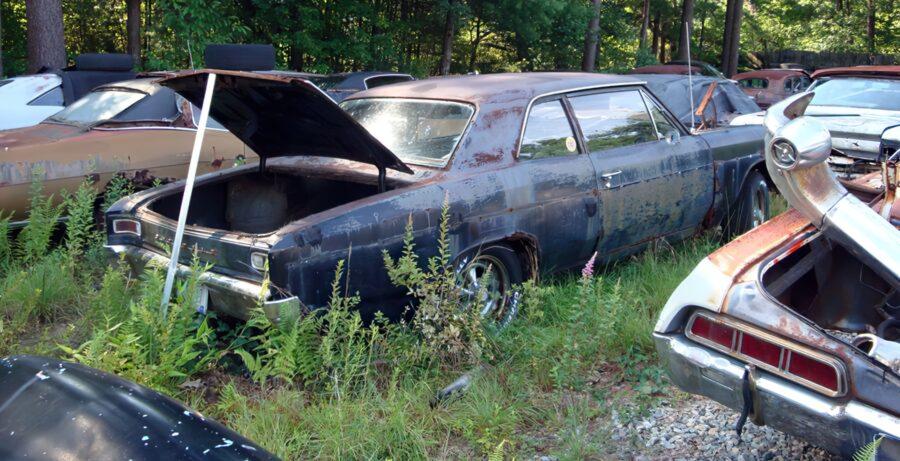
Many people think a damaged or worn-out car has reached the end of its story. That idea is far from the truth. Modern salvage operations give old vehicles a new purpose. These sites are not junkyards filled with useless metal. They are carefully managed spaces where cars are broken down, reused, and recycled with care.
Across Australia, salvage yards play a quiet but important role in waste control and resource management. This article explores what really happens inside modern salvage operations and why they matter.
The Journey of a Car After Its Final Drive
When a car can no longer be driven, it enters a new phase. It arrives at a salvage yard where trained workers begin a step-by-step process. Each stage focuses on safety, reuse, and material recovery.
The first task is inspection. Workers check the condition of the vehicle and identify parts that still work. Many engines, gearboxes, doors, and lights remain usable even after accidents. These parts are removed with care and stored for future use.
This process reduces the need to produce new parts, which lowers demand for raw materials.
Safe Removal of Harmful Materials
Cars contain fluids and components that can harm the environment if ignored. Fuel, engine oil, brake fluid, and coolant must be handled carefully. Batteries also contain chemicals that require proper treatment.
Modern salvage yards drain all fluids using controlled systems. These liquids are sent to approved facilities for treatment or reuse. This step protects soil and groundwater from pollution.
Australian environmental rules require strict handling of these materials. Salvage operators must follow these standards to stay licensed.
How Salvage Yards Reuse Vehicle Parts
Parts reuse is one of the strongest features of salvage operations. A single car can supply dozens of parts for other vehicles. This includes mirrors, seats, alternators, radiators, and wheels.
Using reused parts lowers demand for new manufacturing. This reduces energy use and cuts emissions linked to production. Many drivers also choose reused parts to keep older vehicles running longer.
This cycle extends the life of vehicle components and limits waste.
Crushing and Metal Recovery Explained
After reusable parts are removed, the remaining shell enters the final stage. The body is crushed to reduce size and prepare it for transport. These crushed shells go to metal processing plants.
Steel and aluminium make up most of a car’s weight. Recycling these metals uses far less energy than mining and refining raw ore. Studies show recycled steel uses over half the energy saved compared to new steel production.
This process supports lower emissions across the manufacturing chain.
The Environmental Role of Salvage Operations
Modern salvage yards help reduce landfill pressure. Cars left untreated take up large amounts of space and release harmful substances over time. Recycling avoids this outcome.
Each recycled vehicle saves natural resources such as iron ore, bauxite, and copper. It also limits land damage caused by mining activity.
These operations support cleaner land, air, and water across Australia.
Technology Inside Modern Salvage Yards
Salvage yards today rely on systems that improve sorting and tracking. Digital inventories record parts and materials. This reduces waste and supports better reuse rates.
Magnetic and mechanical separation tools help sort metals by type. This improves recycling accuracy and reduces contamination.
While the process looks simple from the outside, careful planning sits behind each step.
How Vehicle Removal Connects to Salvage Work
A salvage yard depends on steady vehicle intake. Many owners choose removal services when cars are damaged, old, or unwanted. In Brisbane, one such service links directly with salvage operations. Cash for Cars Brisbane helps move end-of-life vehicles into approved recycling channels rather than leaving them abandoned. This connection supports proper dismantling, material recovery, and waste control. Searches for Cash For Scrap Cars reflect a growing shift toward responsible vehicle disposal that supports salvage work.
Legal Rules Governing Salvage Operations in Australia
Salvage yards must meet strict legal standards. These rules cover fluid handling, waste storage, worker safety, and record keeping. State and local authorities inspect yards to confirm compliance.
Unlicensed operators face penalties and closure. These laws protect the environment and public health.
Choosing licensed salvage services supports these standards.
The Future of Salvage and Vehicle Recycling
Vehicle design continues to change. Electric and hybrid cars bring new materials such as lithium batteries and electronic systems. Salvage yards are adapting to manage these safely.
Battery recovery and metal separation will play a larger role in the coming years. Strong salvage systems today help prepare for these changes.
Recycling remains essential as vehicle numbers continue to rise across Australia.
Final Thoughts on Where Cars Are Reborn
Modern salvage operations are places of renewal, not waste. Old cars supply parts, metals, and materials that reduce environmental damage. These yards support resource reuse, waste reduction, and pollution control.
Understanding this process helps people see value beyond a vehicle’s final drive. Salvage yards prove that even worn-out cars still have a role to play.

 English
 Arabic
 French
 Spanish
 Portuguese
 Deutsch
 Turkish
 Italiano
 Russian
 Romaian
 Portuguese (Brazil)
 Greek
Greek