
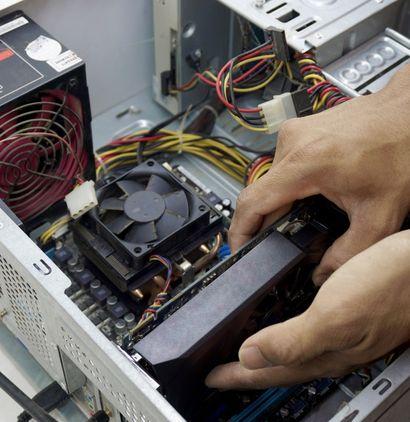
You've just invested in new hardware for your computer. Perhaps you upgraded your RAM, replaced your hard drive with an SSD, or installed a faster processor. Yet here you are in Melbourne, powering on your machine only to find it's still sluggish and frustratingly slow. You're not alone. Many Melbourne residents and businesses experience this bewildering situation after spending money on computer upgrades Melbourne upgrades, only to see minimal performance improvements.
This scenario is more common than you'd think, and the good news is that there's usually a straightforward explanation. Understanding why your computer remains slow despite hardware improvements can help you identify the real culprit and take action to reclaim the performance boost you paid for.
Common Problems When Your Computer Is Still Slow After an Upgrade
Software Running in the Background
One of the most overlooked reasons for persistent slowness is unnecessary software running silently in the background. After years of using your computer, you likely have accumulated programs that launch automatically when you start up your machine.
Antivirus applications, cloud storage services, chat applications, and system utilities can all consume valuable processing power and memory without you realizing it. These background processes work relentlessly, even when you're not actively using them, consuming resources that your newly upgraded hardware could put to better use.
Outdated Operating System
Your operating system acts as the manager of all your hardware resources. If your OS is outdated, it may not be optimized to take full advantage of your new components. An older Windows version or Mac operating system might have compatibility issues with upgraded hardware, preventing your system from reaching its full potential.
Hard Drive Space Running Low
Even with a new SSD or additional storage, if your primary drive is nearly full, your computer will struggle. When your drive has less than 10-15% free space, your operating system cannot function efficiently. It needs room to create temporary files, cache data, and manage virtual memory.
Driver Issues
Hardware drivers are the bridge between your operating system and physical components. If your drivers are outdated or incompatible, your new hardware won't perform as intended. This is particularly common when upgrading graphics cards, motherboards, or network adapters.
Malware or Virus Infection
Sometimes the problem isn't the hardware at all—it's malicious software draining your system's resources. Malware running behind the scenes can consume CPU power and bandwidth, making even upgraded computers feel sluggish.
Why These Problems Occur
Understanding the root cause is essential for effective solutions. When you upgrade just one component of your computer, you're introducing a new element into an existing ecosystem. Your operating system, drivers, and software installations all need to work harmoniously with these new additions.
Over time, computers accumulate digital clutter. Applications you no longer use remain installed, startup programs multiply, temporary files pile up, and browser caches grow. This digital debt becomes more noticeable when you're expecting dramatic speed improvements from hardware upgrades.
Additionally, many users upgrade their hardware but neglect the software layer entirely. They assume the new RAM or SSD will automatically translate to faster performance without addressing the bloated software environment running on top of it.
Practical Solutions and Expert Tips
Audit and Disable Background Programs
Start by checking what's running when you start your computer. On Windows, open Task Manager (Ctrl + Shift + Esc), navigate to the Startup tab, and disable programs you don't need to launch automatically. On Mac, go to System Preferences > General > Login Items and remove unnecessary applications.
This single step often produces noticeable improvements and costs nothing except a few minutes of your time.
Update Your Operating System and Drivers
Visit your computer manufacturer's support website and download the latest drivers for your upgraded components. Update your operating system to the most recent stable version. These updates often include performance optimizations and compatibility fixes that maximize your new hardware's potential.
Clean Up Disk Space
Delete files you no longer need, uninstall unused programs, and clear out your Downloads folder. Consider using built-in cleaning tools like Disk Cleanup (Windows) or Storage Management (Mac). Aim to keep at least 15% of your drive free for optimal performance.
Run a Malware Scan
Use reputable antivirus software to perform a full system scan. Windows Defender (built into Windows) is adequate for most users, though programs like Malwarebytes offer more comprehensive protection. This step rules out malicious software as the culprit and helps protect your newly upgraded system.
Consider a Fresh OS Installation
If your computer is several years old and you've never reinstalled your operating system, it might be worth considering a clean installation. This removes years of accumulated software bloat and gives your new hardware a fresh start. Back up your important files first, as this process erases everything.
Check Your Internet Connection
Sometimes "slow computer" is actually a slow internet connection. Run a speed test on websites like Speedtest.net to verify your actual bandwidth. A sluggish internet connection can make everything feel slow, even if your hardware is performing perfectly.
When Professional Help Is Needed
If you've implemented these solutions and your computer is still slow, it's time to seek professional assistance. Computer Upgrades Melbourne professionals can diagnose issues that aren't immediately obvious to the average user. They can test individual components, check system temperatures (overheating can cause performance throttling), and identify hardware conflicts.
Consider professional help if your computer is making unusual noises, shutting down unexpectedly, or if you've noticed performance problems despite following these troubleshooting steps.
Conclusion
A slow computer after upgrading isn't necessarily a sign that your new hardware is faulty. Most often, the issue lies in the software layer—unnecessary background programs, outdated drivers, malware, or simply insufficient disk space. By systematically addressing these common culprits, you'll likely unlock the performance improvements your upgrade was meant to provide.
Start with the simple fixes like disabling startup programs and updating drivers. These require minimal time and often deliver dramatic results. Remember that hardware is only part of the equation; a well-maintained software environment is equally important for optimal performance. Take these steps, and your newly upgraded Melbourne computer should finally deliver the speed boost you invested in.

 English
 Arabic
 French
 Spanish
 Portuguese
 Deutsch
 Dutch
Dutch
 Italiano
 Russian
 Romaian
 Portuguese (Brazil)
 Greek
Greek