
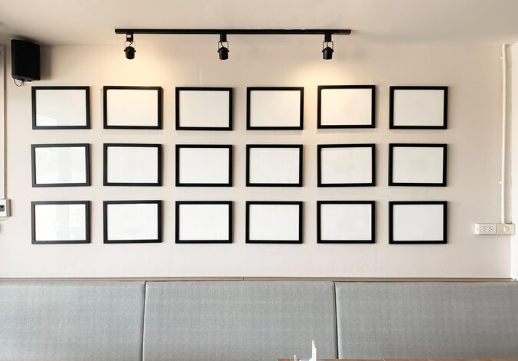
A gallery wall can instantly transform any space, adding personality, style, and a visual focal point. Whether you’re decorating a living room, hallway, or office, choosing the right layout is crucial to create balance and harmony. Two of the most popular design approaches are the horizontal gallery wall layout and the gallery wall layout vertical. Understanding these styles can help you curate a wall that is both visually appealing and reflective of your taste.
What is a Horizontal Gallery Wall Layout?
A horizontal gallery wall layout emphasizes width over height, making it perfect for rooms with long, low walls. This layout guides the eye across the room, creating a sense of continuity and flow. Horizontal gallery walls are ideal for above sofas, sideboards, or beds, where the wall space stretches more in length than height.
Benefits of a Horizontal Layout
- Enhances Wide Spaces: If you have a long living room wall or a large hallway, a horizontal gallery wall layout naturally complements the space by emphasizing its width.
- Creates Cohesion: Aligning frames along a single horizontal axis keeps the gallery wall organized and clean, preventing a cluttered appearance.
- Easier to Hang: Horizontal layouts often require fewer precise measurements since the focus is on keeping the tops or bottoms of frames aligned.
How to Design a Horizontal Gallery Wall
To create a cohesive horizontal gallery wall layout:
- Pick a Focal Point: Choose a central piece that will anchor the wall. It could be a larger painting, a mirror, or a statement photograph.
- Maintain Consistent Spacing: Keep equal spacing between frames to achieve a streamlined look. Standard spacing ranges from 2 to 4 inches, depending on the wall size.
- Mix Sizes Strategically: Combine large and small frames for visual interest but keep the overall line horizontal. Arrange smaller frames on either side of the focal point to balance the composition.
- Frame Color and Style: Use consistent frame colors or materials to tie the gallery wall together. For a modern feel, go for black or white frames; for a rustic look, wooden frames work beautifully.
A well-executed horizontal gallery wall layout brings calm, structure, and elegance to a space. It’s particularly effective in living rooms and bedrooms where the width of the wall is more prominent than the height.
Exploring the Gallery Wall Layout Vertical
On the other hand, a gallery wall layout vertical emphasizes height, drawing the eye upward. This style is perfect for spaces where the wall height is more significant than the width, such as narrow hallways, staircases, or above doorways. A vertical gallery wall can make ceilings appear taller and create a dramatic, elegant impact.
Benefits of a Vertical Layout
- Accentuates Height: By stacking frames vertically, you create the illusion of taller walls, which is perfect for apartments or rooms with low ceilings.
- Maximizes Narrow Spaces: A vertical layout fits well in spaces that are too narrow for a horizontal arrangement, such as stairwells or slim corridors.
- Adds Visual Interest: Vertical arrangements can feel dynamic and modern, breaking away from traditional horizontal gallery norms.
How to Design a Vertical Gallery Wall
To design a gallery wall layout vertical:
- Choose a Top Anchor: Start with a prominent piece at the top to guide the eye upward. This could be an art print, a framed quote, or a mirror.
- Stack Thoughtfully: Place smaller frames below the anchor piece, gradually decreasing in size or weight to create balance.
- Mind the Spacing: Vertical gallery walls benefit from slightly larger spacing between frames than horizontal layouts. This allows each piece to stand out and prevents the wall from feeling cramped.
- Experiment with Symmetry: You can opt for perfectly aligned vertical stacks or staggered arrangements for a more eclectic look. Both styles work well depending on the room’s vibe.
Vertical gallery walls are particularly striking in stairwells. As you move up the stairs, the artwork creates a visual journey that is both engaging and stylish.
Combining Horizontal and Vertical Gallery Wall Layouts
Some of the most stunning gallery walls combine horizontal and vertical elements. This mixed approach allows for more creativity and personalization. For instance, you could have a horizontal anchor line at eye level with vertical stacks branching off it. This method works well for large walls, giving them depth and movement.
Tips for a Mixed Layout
- Plan Before Hanging: Lay all your frames on the floor before committing to the wall. This helps you visualize the balance between horizontal and vertical pieces.
- Anchor with Large Frames: Use larger frames as focal points to prevent the wall from feeling chaotic.
- Consider the Room’s Shape: Use horizontal layouts for wider walls and vertical layouts for narrow or tall spaces. Combining them strategically ensures a harmonious composition.
Choosing Artwork for Your Gallery Wall
Regardless of whether you choose a horizontal gallery wall layout or a gallery wall layout vertical, the artwork itself is just as important as the layout. Here are some tips:
- Stick to a Theme: Whether it’s family photos, travel memories, or abstract art, a cohesive theme ties your gallery wall together.
- Mix Mediums: Don’t limit yourself to photos; include paintings, prints, and even 3D objects like small shelves or decorative plates.
- Color Palette: Choose colors that complement your room’s décor. A consistent color scheme creates a polished look.
Hanging Tips for Perfect Placement
- Use a Level: Especially for horizontal gallery wall layouts, keeping frames perfectly aligned is crucial.
- Consider Eye Level: The center of your gallery wall should be around 57 to 60 inches from the floor, the average eye level.
- Think About Lighting: Proper lighting can enhance the beauty of your gallery wall. Picture lights, wall sconces, or track lighting can make a big difference.
Final Thoughts
Creating a gallery wall is an art form in itself, and understanding the difference between a horizontal gallery wall layout and a gallery wall layout vertical is the first step to designing a visually appealing space. Horizontal layouts emphasize width and are perfect for living rooms and low walls, while vertical layouts accentuate height, ideal for staircases and narrow spaces. For maximum impact, don’t be afraid to combine both styles, mix frame sizes, and experiment with artwork to express your personality.
With careful planning, attention to spacing, and a cohesive theme, your gallery wall will not only showcase your favorite art but also elevate the overall aesthetic of your home. Whether you lean toward a horizontal or vertical gallery wall, the key is balance, harmony, and creativity.

 English
 Arabic
 French
 Spanish
 Portuguese
 Deutsch
 Turkish
 Dutch
Dutch
 Italiano
 Russian
 Portuguese (Brazil)
 Greek
Greek