
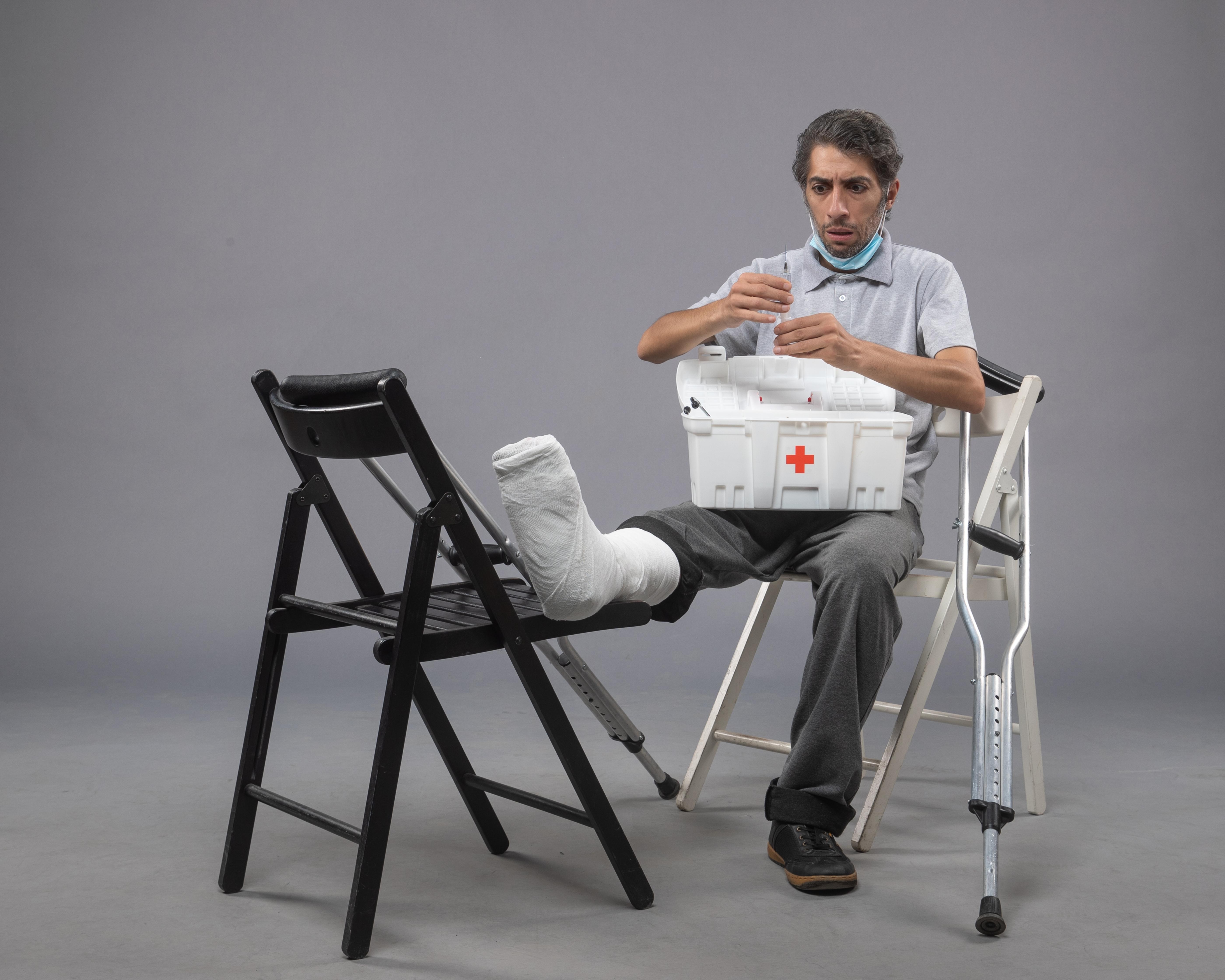
Learn why group emergency first aid training is essential for safer workplaces and how it enhances response, confidence, and preparedness.
Creating a safe and prepared workplace is more important today than ever before. Whether you operate a small office, a busy warehouse, or a customer-facing environment, emergencies can happen anywhere—and often when least expected. Having trained individuals who can respond quickly and effectively can make all the difference. That is why many organizations are prioritizing Group emergency first aid training, ensuring their teams are equipped with the skills needed to handle critical situations confidently and calmly.
The Importance of a Prepared Workforce
Emergencies occur without warning, and even a brief delay in response can significantly impact the outcome. When multiple team members understand how to assess a situation, provide assistance, and support each other, the chances of saving lives increase dramatically. Group-based training helps build a unified approach, ensuring that everyone knows their role and can contribute during an emergency.
Beyond immediate response, preparedness fosters a safer culture. Employees feel valued and supported when they know their workplace invests in their knowledge and safety. This, in turn, improves morale and creates a stronger workplace community.
Key Benefits of Group-Based First Aid Training
1. Consistent Knowledge Across the Entire Team
Training employees as a group ensures that everyone receives the same information, techniques, and instructions. This consistency is essential during emergencies when coordinated action matters. Instead of relying on one or two trained individuals, the whole team becomes capable of offering assistance.
2. Improved Response Times
When multiple staff members are trained, the time between an incident occurring and first aid being delivered dramatically decreases. Someone nearby can step in immediately, reducing the risk of complications and improving survival chances.
3. Better Team Communication Under Pressure
Group training sessions encourage employees to practice together, communicate effectively, and understand how each person can contribute in an emergency. This teamwork approach builds confidence and reduces panic when a real situation arises.
4. Cost-Effective for Businesses
Booking training for a group is often more efficient and cost-effective than scheduling individual sessions. It allows companies to save time, streamline learning, and avoid operational disruptions by training everyone at once.
5. Meets Workplace Safety Standards
Many industries require mandatory first aid coverage. Group courses help ensure that businesses meet safety regulations and maintain compliance, protecting both employees and the organization.
Training That Reflects Real-World Scenarios
One of the most valuable aspects of group training is the ability to simulate real-world emergencies. These hands-on sessions allow employees to practice critical skills such as:
-
Performing CPR
-
Using an AED
-
Managing bleeding
-
Responding to burns
-
Handling fractures
-
Identifying signs of shock or cardiac issues
By working together through realistic scenarios, participants retain information better and develop the confidence needed to make fast, accurate decisions.
The Role of Professional Instructors
Effective first aid training is only as good as the instructors guiding the session. Experienced trainers help participants understand not only what to do, but why each step matters. They break down complex information into clear, practical instructions that anyone can follow.
A professional provider like Growth Training Group delivers training sessions designed to empower employees with the right skills while making the learning experience engaging, interactive, and easy to follow.
How Group Training Builds a Safety-First Culture
When teams train together, discussions about safety become more natural and frequent. Employees begin to notice potential hazards and feel empowered to address them proactively. This creates a shift in workplace mindset—from simply reacting to emergencies, to preventing them whenever possible.
Moreover, group training encourages leadership qualities across various roles. Employees who may not typically take charge often discover confidence through first aid training, building a stronger and more resilient team dynamic.
Choosing the Right First Aid Program for Your Workplace
Every workplace is unique, and the first aid needs of a busy construction site differ from those of a corporate office. When selecting a training program, businesses should consider:
-
Their industry-specific risks
-
Number of employees
-
Work environment and daily activities
-
Legal safety requirements
-
Accessibility of emergency equipment
A tailored program ensures that employees receive training relevant to the challenges they might face, increasing overall effectiveness.
Conclusion
Workplace safety is more than a responsibility—it is a commitment to protecting lives and empowering people. Investing in Group emergency first aid training is one of the most effective ways to build a safer, more prepared environment for everyone. With the right training, employees gain confidence, teamwork strengthens, and businesses create a safety culture that extends far beyond the workplace.

 English
 Arabic
 French
 Spanish
 Portuguese
 Turkish
 Dutch
Dutch
 Italiano
 Russian
 Romaian
 Portuguese (Brazil)
 Greek
Greek