
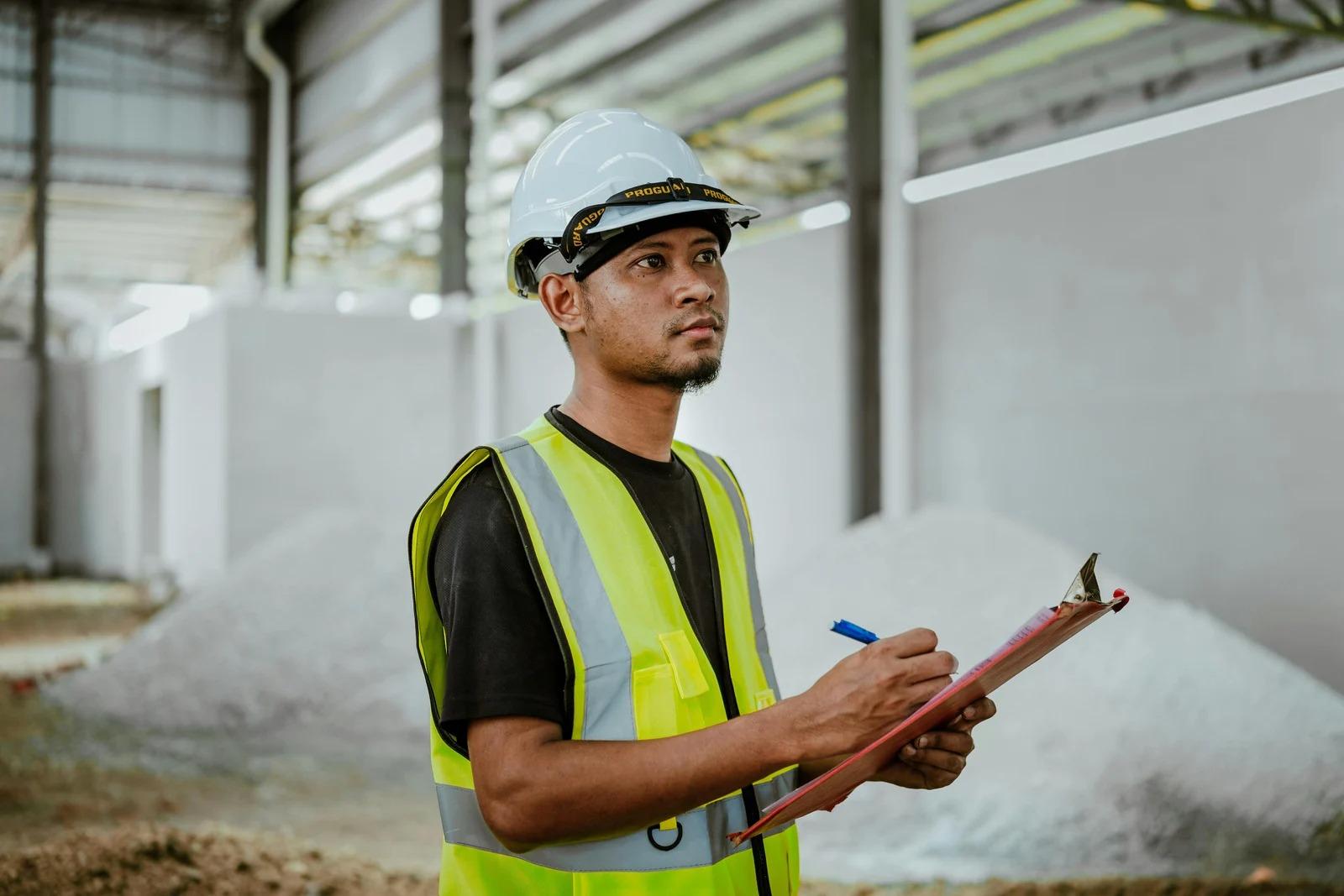
Construction sites are inherently hazardous, with various risks present that could lead to serious injuries or even fatalities. From falls and electrical hazards to machinery accidents and exposure to toxic chemicals, these risks are prevalent on construction projects. Workers are exposed to dangers every day, and without proper safety measures, these hazards can result in devastating consequences.
By understanding the common construction site hazards, employers can implement effective prevention strategies to protect their workforce. Regular safety training, proper use of personal protective equipment (PPE), and adherence to OSHA standards are crucial steps in reducing these risks and ensuring the safety of everyone on the job site.
What Are the Common Hazards on Construction Sites?
Construction site hazards can come in many forms. These can include physical risks, such as falls or being struck by heavy equipment, and environmental risks, like exposure to hazardous chemicals or extreme weather. Workers may also face ergonomic risks or electrical hazards that require specific training and equipment to prevent accidents.
To effectively address these risks, it's essential to conduct regular site inspections and risk assessments. By identifying and understanding the types of hazards present on construction sites, employers can put in place measures to reduce the chances of accidents.
OSHA’s Role in Reducing Construction Site Hazards
The Occupational Safety and Health Administration (OSHA) plays a vital role in reducing construction site hazards. OSHA sets regulations and standards that employers must follow to ensure the safety of their workers. These regulations cover everything from fall protection to electrical safety and personal protective equipment (PPE).
By following OSHA safety standards for construction, employers can ensure their sites are compliant with safety regulations, minimizing the risk of accidents. OSHA also provides resources, training, and inspection guidelines to help businesses create safer work environments for their teams.
Fall Hazards: The Leading Cause of Injuries
Falls are the leading cause of injuries and fatalities in construction. Whether it's falling from scaffolding, ladders, or unprotected edges, these incidents can cause severe injuries. OSHA standards require fall protection for workers at heights greater than six feet.
To avoid fall-related accidents, ensure that all elevated work surfaces are properly secured with guardrails or personal fall arrest systems. Regularly inspect scaffolding and ladders to ensure their safety. Provide comprehensive fall hazard prevention training for workers to make sure they are aware of the risks and protective measures.
Struck-By Incidents: Risk of Being Hit by Objects
Struck-by incidents occur when workers are hit by falling objects, machinery, or vehicles. These accidents can result in serious injuries, and they are more common when materials are improperly stored or when workers are not wearing the right PPE.
Prevent struck-by accidents by securing tools and materials, setting up designated work zones, and ensuring that all workers wear hard hats and high-visibility vests. Make sure that machinery operators are aware of their surroundings and implement proper warning systems on-site.
Electrocution: The Silent Danger
Electrical safety is critical on construction sites, as electrocution remains a major cause of fatalities. Workers may come into contact with live wires, faulty equipment, or improperly grounded tools. To prevent electrical accidents, follow OSHA's guidelines for electrical safety, including ensuring proper grounding and using insulated tools.
Before starting work, always de-energize circuits, and make sure that all electrical equipment is in good condition. Workers should also receive electrical shock prevention training and be provided with the right PPE, including rubber gloves and boots, to reduce the risk of electrical injuries.
Caught-In/Between Hazards: The Crushing Threat
Caught-in/between hazards happen when workers get trapped or crushed by machinery, equipment, or collapsing structures. These accidents can be catastrophic, especially when heavy machinery is involved.
To prevent caught-in accidents, ensure that machinery is properly guarded and that workers are trained to avoid pinch points. Machine guarding and lockout/tagout procedures should be strictly followed to protect workers from moving parts or unguarded equipment.
Hazardous Materials: Chemical Exposure Risks
Construction workers are often exposed to harmful chemicals, including asbestos, solvents, and toxic fumes. Improper handling or lack of proper ventilation can lead to long-term health problems, such as respiratory diseases or chemical burns.
Hazardous materials on construction sites must be stored and labeled according to OSHA guidelines. Workers should be trained on the safe handling and disposal of hazardous chemicals. Ensure that workers have access to appropriate PPE, such as gloves and respirators, and provide adequate ventilation to reduce the risk of exposure.
Ergonomic Hazards: The Risk of Repetitive Stress
Ergonomic hazards occur when workers perform repetitive tasks, poor posture, or excessive lifting, leading to musculoskeletal injuries. These types of injuries can become chronic and affect a worker's long-term health.
To prevent ergonomic injuries, encourage proper lifting techniques and provide lifting equipment such as hoists or forklifts. Regularly rotate tasks to reduce the strain on workers and implement ergonomic solutions like adjustable workstations to ensure a safer working environment.
Noise Hazards: Protecting Hearing on Construction Sites
Construction sites are often noisy environments, with heavy machinery, power tools, and equipment creating hazardous noise levels. Prolonged exposure to loud noise can cause permanent hearing damage, making noise hazards a serious concern.
To reduce the risk of hearing loss, provide workers with hearing protection such as earplugs or earmuffs. Conduct regular noise assessments on-site and limit time spent in high-decibel areas. Consider using noise-reducing machinery to keep noise levels down and protect workers’ hearing.
Weather-Related Hazards: The Dangers of Extreme Conditions
Extreme weather conditions, such as heat stress during summer or cold stress in winter, pose significant risks to construction workers. Heat stress can lead to dehydration, heat exhaustion, and heat stroke, while cold stress can result in hypothermia and frostbite.
Monitor weather conditions closely and schedule work during the cooler parts of the day when possible. Ensure that workers have access to hydration stations, shaded areas, and protective clothing to guard against extreme temperatures. Implement heat-related illness prevention strategies to keep workers safe during hot weather conditions.
Slips, Trips, and Falls: Ground-Level Hazards
Slips, trips, and falls are common on construction sites, often caused by uneven surfaces, wet conditions, or cluttered walkways. These accidents may not always be fatal, but they can lead to serious injuries that impact workers' productivity.
To prevent these accidents, maintain clean and dry work surfaces, clear walkways of debris, and ensure proper lighting. Use anti-slip mats in high-risk areas and train workers on safe walking practices to reduce the chances of slips and trips.
How to Prevent Construction Hazards: Best Safety Practices
Preventing construction hazards requires proactive efforts, including regular site inspections, safety training, and proper use of PPE. Establish a culture of safety by encouraging workers to report hazards and making safety a priority in all aspects of the job. Providing workers with training, like the OSHA 10 online course, ensures they stay informed on safety regulations and best practices.
Safety audits and risk assessments should be done regularly to identify potential hazards and address them before they cause accidents. Construction safety measures like proper PPE usage, machine guarding, and hazard communication are key in preventing incidents.
Conclusion: Ensuring a Safe Construction Site Through Prevention
In conclusion, construction safety is an ongoing effort that requires everyone on-site to be vigilant and proactive. By understanding the common construction site hazards, adhering to OSHA safety standards for construction, and implementing preventive measures, construction companies can significantly reduce accidents and create safer working environments for their teams. Prioritizing safety protocols and continuously educating workers will ensure that everyone returns home safely at the end of the day.
Final Thoughts:
This article covers a range of construction safety hazards, explains how they occur, and provides actionable tips for preventing accidents. By following OSHA standards, using the correct PPE, and conducting thorough site inspections, employers can significantly reduce the risk of injury and create safer, more productive construction sites.
FAQs:
-
What are the top 4 hazards in construction?
The top 4 hazards in construction are falls, being struck by objects, electrocution, and being caught in or between machinery. -
What are the 9 types of hazards?
The 9 types of hazards are physical, chemical, ergonomic, biological, mechanical, electrical, thermal, radiation, and psychological. -
What are the 10 common workplace hazards or risks?
The 10 common hazards are falls, electrical hazards, chemical exposure, machinery accidents, noise, ergonomics, confined spaces, fire, weather conditions, and biological risks. -
What is the top 10 most frequently cited OSHA violations?
The top 10 most cited OSHA violations include fall protection, scaffolding, hazard communication, respiratory protection, ladders, machine guarding, and more.

 English
 French
 Spanish
 Portuguese
 Deutsch
 Turkish
 Dutch
Dutch
 Italiano
 Russian
 Romaian
 Portuguese (Brazil)
 Greek
Greek