
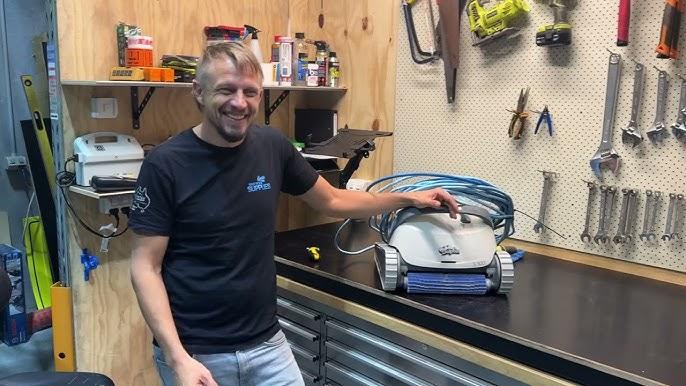
Automatic pool cleaners are one of those inventions you don’t fully appreciate until they stop working. When they’re running properly, they quietly cruise around the pool, scrubbing floors, climbing walls, and scooping up debris while you get on with life. When they don’t? Suddenly you’re standing in the sun with a pole, a vacuum head, and a sinking feeling.
That’s where Automatic Pool Cleaner Repair comes in. A lot of people assume that if their cleaner slows down, gets stuck, or won’t start, it’s “dead” and needs replacing. In reality, many issues are fixable—often for a fraction of the cost of buying a new unit.
Let’s walk through the most common problems, smart DIY checks, and when to call in a professional to bring your cleaner back to life.
Why Automatic Pool Cleaners Break Down
Robotic and automatic pool cleaners live tough lives. They operate in chlorinated water, run for hours at a time, and rely on a mix of mechanics and electronics. Over time, it’s normal for things to wear out or drift out of alignment.
Common reasons repairs become necessary include:
-
Worn mechanical parts – Tracks, wheels, brushes, and gears slowly degrade.
-
Debris buildup – Leaves, sand, hair, and small stones can jam the impeller or clog internal pathways.
-
Filter neglect – Dirty filters strain the motor and reduce performance.
-
Cable or hose damage – Kinks, cuts, and internal wire breaks stop the cleaner from getting power.
-
Compromised seals – Aged or damaged seals can let water reach sensitive electronics.
None of this necessarily means “game over” for the cleaner. It usually means it’s time for thoughtful Automatic Pool Cleaner Repair, not instant replacement.
Common Signs Your Cleaner Needs Repair
Your cleaner will often “tell” you something’s wrong long before it completely fails. Keep an eye out for these warning signs:
1. It Won’t Start or Keeps Shutting Off
If your cleaner doesn’t power up, or starts and then stops after a few minutes, you may be dealing with:
-
A faulty power supply
-
Internal motor issues
-
An overheated or overloaded system
Repeated quick stops are a big hint that something inside needs attention.
2. It Moves, But Doesn’t Really Clean
Is your cleaner doing laps but leaving dirt and debris behind? It might have:
-
Worn brushes that no longer scrub effectively
-
Blocked or overloaded filters
-
Poor suction because of internal blockages
It’s moving, but it’s not doing its job efficiently.
3. It Gets Stuck or Misses Areas
If your cleaner constantly gets stuck in one corner, on the drain, or refuses to climb the walls, the problem could be:
-
Slipping or stretched tracks
-
Weak traction due to worn parts
-
Navigation or drive system problems
4. Strange Noises
Grinding, clicking, or whining sounds are never good. They often point to:
-
Debris caught in the impeller or gears
-
Worn bearings or broken internal parts
If it sounds different than it used to, don’t ignore it.
Quick DIY Checks Before Calling a Technician
Not every issue needs a full workshop repair. Before you panic, there are a few simple steps you can safely try at home.
1. Clean the Filter Thoroughly
A clogged filter is one of the most common performance killers.
-
Remove the filter basket or cartridges.
-
Hose them off until the water runs clear.
-
Check for fine dust or greasy residue and clean as needed.
You’ll be surprised how often Automatic Pool Cleaner Repair starts with nothing more than a deep filter clean.
2. Inspect the Underside
Turn the cleaner over (when unplugged and out of the pool) and inspect:
-
Tracks – Are they cracked, stretched, or loose?
-
Wheels – Are any stuck, missing, or badly worn?
-
Brushes – Are they flattened, smooth, or clearly worn down?
If the cleaner can’t grip the surface properly, it won’t climb or scrub effectively.
3. Check the Cable or Hose
Look for:
-
Obvious cuts or abrasions
-
Severe kinks or flattened sections
-
Melted or discoloured areas near plugs or connections
A damaged cable or hose is both a performance and safety issue—stop using the cleaner until it’s checked by an expert.
4. Look for Visible Blockages
Check the intake and, if accessible, the impeller area:
-
Remove leaves, twigs, or small stones
-
Clear hair or string-like debris
Never stick metal tools inside or force anything—gentle is the rule here.
If these basic checks don’t solve the problem, or the cleaner starts misbehaving again shortly afterwards, it’s time to move beyond quick fixes.
Why Professional Automatic Pool Cleaner Repair Makes Sense
Modern automatic pool cleaners aren’t just plastic shells with a motor. Inside, they often contain:
-
Multiple drive and suction motors
-
Circuit boards and sensors
-
Complex gear trains
-
Carefully designed waterproofing systems
Trying to dismantle and repair these yourself can:
-
Void the manufacturer’s warranty
-
Damage sensitive components
-
Compromise waterproof seals
-
Turn a simple issue into a total failure
Professional technicians are equipped to:
-
Test and diagnose electronic and mechanical faults
-
Source compatible replacement parts
-
Reassemble and reseal the unit correctly
-
Confirm the cleaner is safe and ready for pool use
In many cases, a cleaner that seems “dead” can be brought back with the right part replacement and expertise.
Repair vs Replace: How to Decide
Sometimes repair is the obvious choice. Sometimes replacement is smarter. A few questions can help you decide:
-
How old is the cleaner?
A newer unit that’s failed suddenly is almost always worth repairing. An older one with multiple failing parts might not be. -
What’s actually wrong?
Replacing brushes, tracks, filters, or a single motor is often cost-effective. But if the electronics are badly damaged or the housing is cracked, replacement might be better value. -
How well has it been maintained?
A cleaner that’s been rinsed, stored properly, and serviced occasionally is usually a strong candidate for repair.
A good repair service will be honest about whether fixing your cleaner makes sense financially.
Simple Habits to Prevent Future Breakdowns
Once you’ve invested in Automatic Pool Cleaner Repair, it’s worth building a few habits to keep your machine running smoothly:
-
Rinse after use – Wash off pool chemicals with fresh water to protect plastic and rubber parts.
-
Don’t leave it in the pool permanently – Unless the manufacturer says it’s safe, removing the cleaner between cycles reduces wear.
-
Use the handle, not the cable – Always lift it by the handle. Dragging by the cord is a fast track to internal damage.
-
Clean filters regularly – Don’t wait until performance drops; make it a routine.
-
Store in shade – Avoid harsh sun and extreme temperatures to protect materials and seals.
These small steps can add years to your cleaner’s life and reduce how often you’ll need repairs.
Need Help With Automatic Pool Cleaner Repair?
If your cleaner has slowed down, stopped climbing walls, or simply refuses to start, you don’t have to immediately buy a new one. Getting a professional assessment can save you money and get your pool back to sparkling quickly.
For pool owners in Australia who need expert Automatic Pool Cleaner Repair, specialist services like Fix My Dolphin focus on diagnosing and repairing robotic and automatic cleaners, helping you get the most out of your existing equipment.
With the right mix of smart DIY checks, timely professional repairs, and simple ongoing maintenance, your automatic pool cleaner can keep doing what it does best—silently working in the background while you enjoy a clean, inviting pool.

 English
 Arabic
 French
 Spanish
 Portuguese
 Deutsch
 Dutch
Dutch
 Italiano
 Russian
 Romaian
 Portuguese (Brazil)
 Greek
Greek