
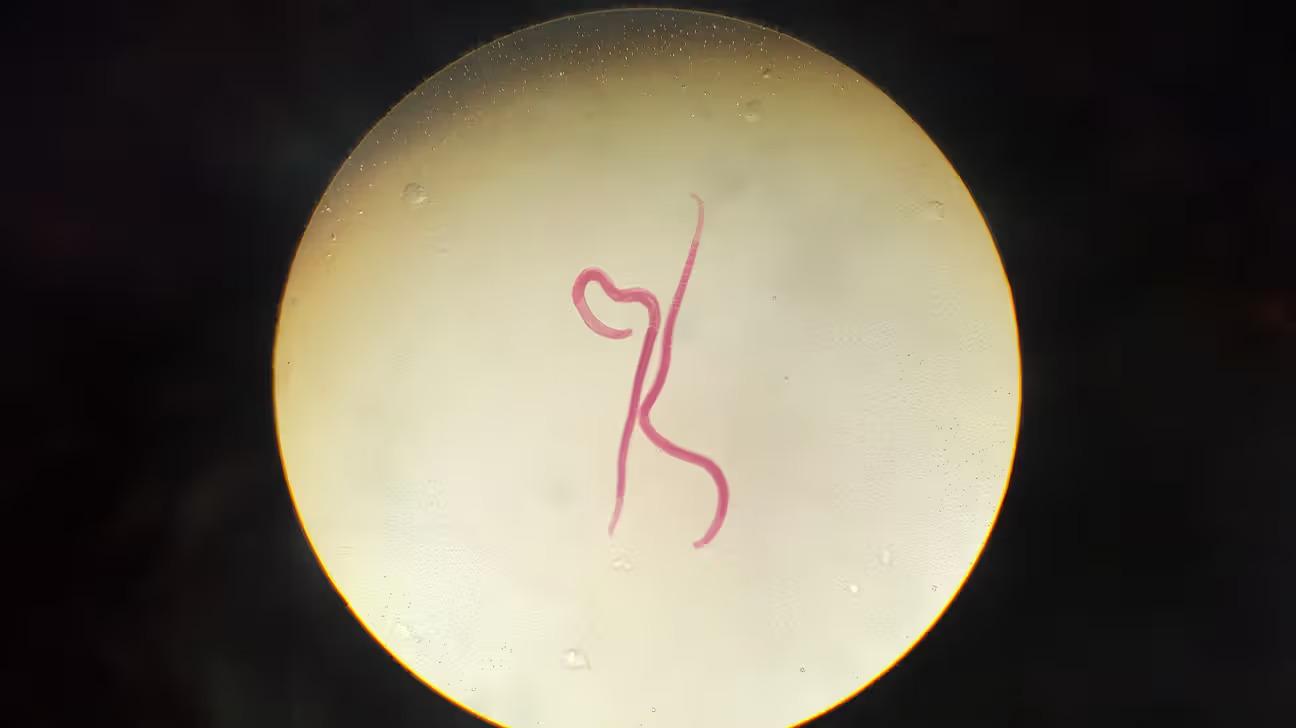
Worm infections, medically referred to as helminth infections, are among the most widespread parasitic diseases affecting humans worldwide. These infections are particularly prevalent in regions with inadequate sanitation, limited access to clean water, and poor hygiene practices. Understanding the lifecycle of these parasites is essential for effective prevention, diagnosis, and treatment.
Introduction to Worm Infections
Helminths are parasitic worms that live and feed on their host. The three primary categories that infect humans include roundworms (nematodes), tapeworms (cestodes), and flukes (trematodes). Common examples include Ascaris lumbricoides (roundworm), Enterobius vermicularis (pinworm), and Taenia species (tapeworms). Each of these parasites has a unique lifecycle, but they share common transmission pathways and developmental stages.
Transmission and Entry into the Human Body
The lifecycle of worm infections typically begins when infective eggs or larvae enter the human body. This can occur through several routes:
-
Ingestion of contaminated food or water: Many worms spread when people consume food or water contaminated with parasite eggs.
-
Skin penetration: Some larvae, such as hookworms, can penetrate the skin directly, often through bare feet.
-
Poor hygiene: Infections like pinworms spread through contact with contaminated surfaces or person-to-person transmission.
Once inside the body, the parasites begin their development, adapting to the host environment.
Larval Development and Migration
After entering the host, many worms hatch into larvae in the intestines. However, their journey often does not end there. Some species undergo a complex migration process:
-
Roundworms: After hatching in the intestines, larvae can enter the bloodstream and travel to the lungs. From there, they are coughed up and swallowed again, returning to the intestines where they mature.
-
Hookworms: These penetrate the skin, enter the bloodstream, and migrate to the lungs before settling in the intestines.
-
Tapeworms: These typically remain in the intestines, where larvae develop into adult worms after ingestion of cysts in undercooked meat.
This migration phase is critical, as it allows the parasite to reach its preferred site for maturation.
Maturation into Adult Worms
Once the larvae reach their target location most commonly the intestines they mature into adult worms. This stage marks the beginning of active infection. Adult worms attach to the intestinal walls or reside freely within the lumen, depending on the species.
-
Nutrient absorption: Many worms feed on the host’s nutrients, leading to malnutrition and weakness.
-
Blood feeding: Hookworms attach to the intestinal lining and consume blood, which can result in anemia.
-
Reproduction: Adult worms reproduce within the host, producing thousands of eggs daily.
Egg Production and Environmental Contamination
The lifecycle continues as eggs are excreted from the host through feces. In areas with poor sanitation, these eggs contaminate soil, water, and food sources. Some eggs become infective immediately, while others require time to develop in the environment.
For example:
-
Ascaris eggs can survive in soil for months or even years.
-
Pinworm eggs spread rapidly through surfaces like bedding, clothing, and hands.
This environmental phase is crucial for the continuation of the lifecycle and contributes significantly to reinfection.
Reinfection and Persistence
One of the most challenging aspects of worm infections is their ability to cause repeated infections. Reinfection occurs when individuals ingest or come into contact with infective eggs again.
-
Children are particularly susceptible due to frequent hand-to-mouth activity.
-
Poor sanitation infrastructure increases the likelihood of repeated exposure.
-
Inadequate treatment or incomplete treatment can allow worms to persist in the body.
Without intervention, this cycle can continue indefinitely, leading to chronic health issues.
Symptoms and Health Impact
The clinical presentation of worm infections varies depending on the type and severity of infection. Common symptoms include:
-
Abdominal pain and diarrhea
-
Weight loss and weakness
-
Anemia (especially with hookworm infections)
-
Itching around the anal region (common in pinworm infections)
-
Respiratory symptoms during larval migration
In severe cases, worm infections can impair growth and cognitive development in children.
Diagnosis
Diagnosis typically involves stool examination to detect eggs or larvae. In some cases, blood tests, imaging, or endoscopy may be required to identify specific parasites. Early diagnosis is key to preventing complications and breaking the lifecycle.
Treatment and the Role of Mebendazole
Treatment of worm infections generally involves antiparasitic medications. One of the most widely used drugs is mebendazole 500mg. This medication works by inhibiting the worms’ ability to absorb glucose, effectively starving them and leading to their death.
-
Broad-spectrum activity: Effective against multiple types of intestinal worms.
-
Single-dose convenience: Often administered as a single dose, though some infections may require repeated dosing.
-
Minimal side effects: Generally well-tolerated, making it suitable for mass deworming programs.
The use of mebendazole 500mg plays a critical role not only in treatment but also in reducing transmission by eliminating adult worms and preventing egg production.
Prevention Strategies
Breaking the lifecycle of worm infections requires a multifaceted approach:
-
Improved sanitation: Proper disposal of human waste reduces environmental contamination.
-
Clean water access: Prevents ingestion of infective eggs.
-
Hand hygiene: Regular handwashing significantly lowers infection risk.
-
Food safety: Cooking meat thoroughly and washing fruits and vegetables.
-
Regular deworming: Especially in high-risk populations using medications like mebendazole 500mg.
Conclusion
The lifecycle of worm infections is a complex process involving transmission, development, reproduction, and environmental Publication. Understanding each stage provides valuable insight into how these паразиты survive and spread. Effective management requires a combination of treatment, such as mebendazole 500mg, and preventive measures focused on hygiene and sanitation. By disrupting the lifecycle at multiple points, it is possible to reduce the burden of worm infections and improve overall public health outcomes.

 English
 Arabic
 French
 Spanish
 Portuguese
 Deutsch
 Turkish
 Dutch
Dutch
 Italiano
 Romaian
 Portuguese (Brazil)
 Greek
Greek