

Businesses today operate in a fast moving digital environment where speed accuracy and adaptability define success. Cloud based SaaS platforms have become a core part of this transformation by allowing companies to access powerful software without heavy infrastructure costs. Instead of managing complex systems in house organizations can now focus on growth innovation and customer experience while technology works quietly in the background to support daily operations.
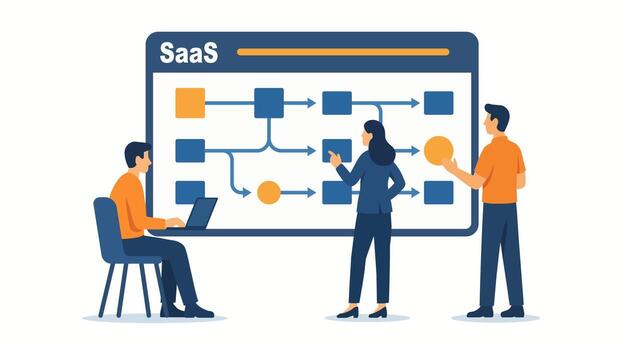
What Makes SaaS Platforms So Valuable
Software delivered as a service removes traditional barriers like high upfront investment, long deployment cycles and constant maintenance. SaaS tools are accessible from anywhere, update automatically and scale as the business grows. This flexibility is especially valuable for startups, small businesses and multi location enterprises that need reliable systems without operational friction. With predictable subscription models companies gain better control over budgets and long term planning.
Cloud Driven Scalability and Flexibility
One of the strongest advantages of SaaS is scalability. Businesses can easily add new users features or locations without rebuilding systems from scratch. Whether a company is launching a new branch, expanding to new markets or managing seasonal demand SaaS adapts in real time. This flexibility supports continuous improvement and ensures technology never becomes a growth bottleneck.
Automation That Improves Efficiency
Modern SaaS solutions are built with automation at their core. Routine tasks like reporting inventory tracking scheduling and data synchronization are handled automatically. This reduces human error saves time and allows teams to focus on higher value work. For management teams automation delivers clearer insights, faster decisions and smoother coordination across departments.
Smarter Decision Making With Real Time Data
Data is only valuable when it is accessible and actionable. SaaS platforms centralize information and present it through intuitive dashboards and analytics tools. Leaders can track performance, identify trends and respond quickly to challenges. Real time visibility helps businesses stay proactive rather than reactive especially in fast paced industries like retail hospitality and food service.
Security and Reliability in Modern SaaS
Security concerns are often raised when discussing cloud technology but modern SaaS providers invest heavily in data protection compliance and system reliability. Encrypted data secure access controls and regular backups are standard features. This level of protection is often stronger than what many small and mid sized businesses can manage on their own. Reliable uptime and disaster recovery also ensure uninterrupted operations.
SaaS in the Food and Beverage Industry
The food and beverage sector benefits greatly from SaaS adoption due to its operational complexity. Managing orders, inventory staff and customer experience requires systems that work together seamlessly. SaaS tools help restaurants, cafes and chains maintain consistency across locations, optimize costs and improve service speed. Integrated platforms ensure kitchens front of house and management stay aligned throughout the day.
Supporting Growth Without Complexity
As businesses grow complexity often increases. SaaS helps simplify this growth by unifying systems and reducing manual processes. Teams can collaborate more effectively, access shared data and maintain standardized workflows. This consistency is critical for brands that want to scale without sacrificing quality or control.
Choosing the Right SaaS Partner
Selecting the right SaaS provider is just as important as choosing the right software. A strong technology partner understands industry needs, adapts solutions accordingly and offers ongoing support. Businesses should look for platforms that are customizable, reliable and aligned with long term goals rather than one size fits all tools.
The Future of SaaS Adoption
SaaS will continue to evolve with advancements in artificial intelligence automation and predictive analytics. Future platforms will not only support operations but actively guide decision making and optimization. Businesses that invest early in adaptable SaaS ecosystems will be better positioned to compete, innovate and grow sustainably.
Conclusion
SaaS platforms have moved beyond convenience to become a strategic foundation for modern businesses. From automation and analytics to scalability and security they enable organizations to operate smarter every day. For industries like food and beverage, adopting the right tools can mean the difference between simply surviving and truly thriving. As digital transformation accelerates, solutions built around POS software will remain a critical part of delivering efficient connected and customer focused operations.
FAQs
What is a SaaS platform
A SaaS platform is cloud based software accessed through the internet without local installation. It is maintained and updated by the provider.
How does SaaS help small businesses
SaaS reduces upfront costs, simplifies maintenance and allows small businesses to use enterprise level tools at an affordable price.
Is SaaS secure for business data
Yes most SaaS providers use advanced security measures including encryption access control and regular backups.
Why is SaaS popular in food and beverage businesses
It helps manage complex operations like orders inventory staffing and reporting while keeping teams aligned in real time.
Can SaaS platforms scale with business growth
Yes scalability is one of the biggest advantages allowing businesses to add users features and locations easily.

 English
 Arabic
 French
 Spanish
 Portuguese
 Deutsch
 Turkish
 Dutch
Dutch
 Russian
 Romaian
 Portuguese (Brazil)
 Greek
Greek